What to Do When Your HVAC System Breaks During a Miami Fall Storm
Published: 2026-06-23 · By PRO AC Repair Cooling Solutions
As hurricane season approaches, Miami homeowners brace for heavy winds and torrential rain. But as storm clouds gather, a different concern looms: what if your HVAC system fails just when you need it most? With high humidity levels and unpredictable weather patterns, an HVAC breakdown can quickly escalate from a minor inconvenience to a major issue. The aftermath of storm damage can affect more than just your comfort; it can lead to serious mold issues and other complications. Knowing how to react when your cooling system lets you down during a Miami fall storm isn’t just wise—it’s essential for maintaining a safe and comfortable home.
Why This Matters for Miami Homeowners
In Miami, HVAC systems face unique challenges due to our tropical climate, often resulting in unexpected failures during stormy weather. High humidity can accelerate wear and tear, while salt air causes corrosion, particularly in metal components. Homeowners might find themselves dealing with a system that can’t keep up or, worse, one that fails entirely just when temperatures are rising and humidity is peaking.
Furthermore, the notorious high winds and heavy rains of fall storms can cause greater issues, displacing HVAC units or compromising their functionality through water damage. With elevated homes and moisture barriers being standard in our properties, any disruption can lead to costly repairs.
Additionally, many homeowners do not realize that Miami's specific codes and regulations require certain protocols for HVAC systems, particularly those situated in coastal areas. Failing to adhere to these can complicate repairs and insurance claims.
Expert Solutions & Actionable Tips
1. 1. Conduct Regular Maintenance
Your HVAC system benefits tremendously from routine checkups, especially before the storm season. An annual maintenance cost typically ranges between $100 to $150 if you book through a local service. Scheduling this can help identify issues before fall storms hit and prolong the lifespan of your unit.
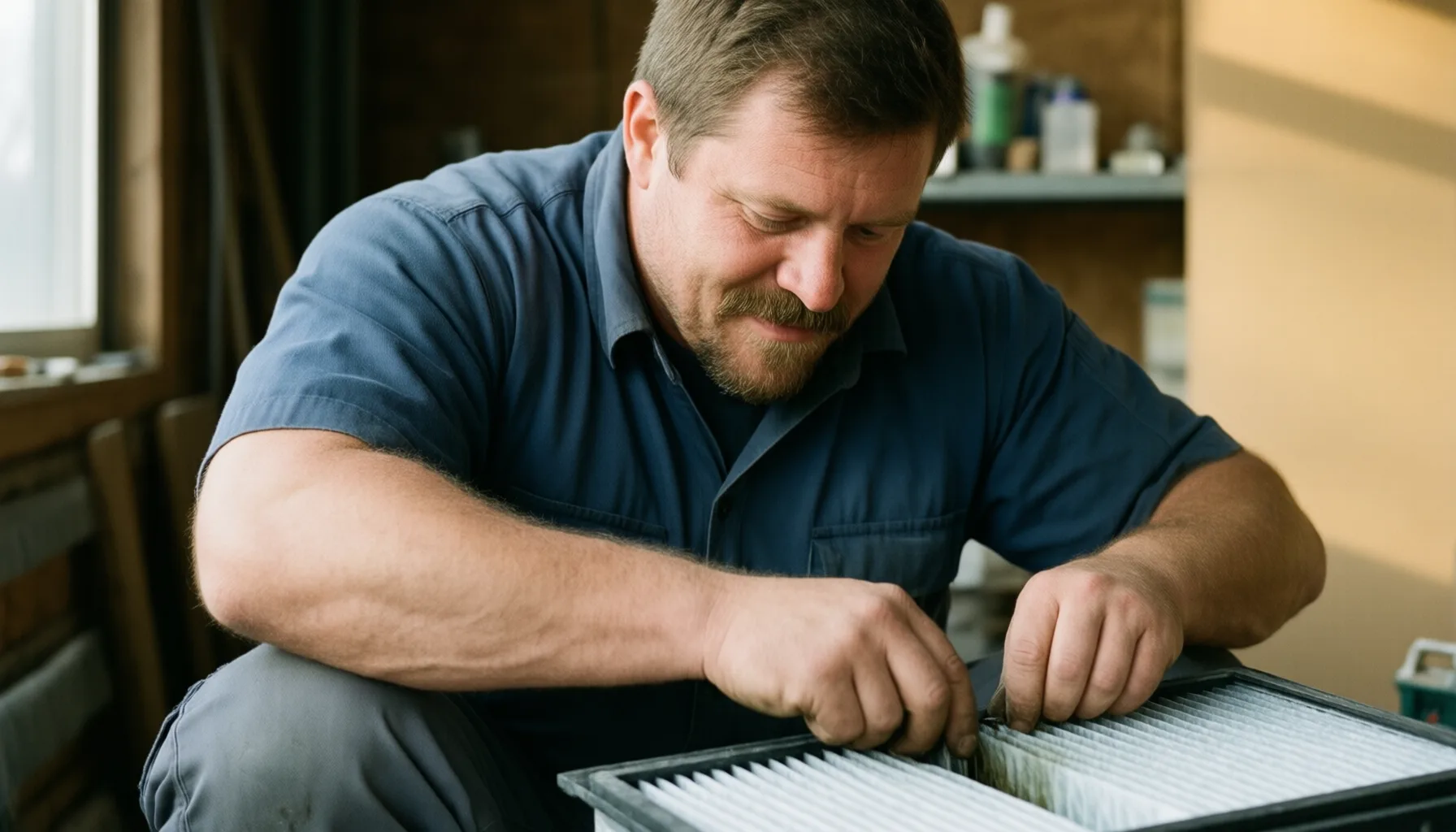
During inspection, technicians will clean the filters, check refrigerant levels, and ensure that all electrical connections are secure. Each task completed during maintenance significantly boosts system reliability when you need it most.
2. 2. Ensure Your System is Elevated
In Miami, homes are often elevated to mitigate flooding. Make sure your HVAC unit is situated well above potential water levels. If not, consider investing in a platform or support for your system. This could cost between $200 to $500, but it’s a worthy investment that protects your unit in heavy rains.
Keep in mind that local codes dictate the placement and elevation of HVAC systems, so consult a licensed contractor to stay compliant.
3. 3. Invest in Surge Protectors
Electrical surges caused by lightning strikes can deliver a fatal blow to HVAC units. Installing a surge protector can prevent such damage and generally costs between $150 to $300 for residential units. This small investment can save you thousands in repairs or replacements after a storm.
Ensure your system has a dedicated surge protection plan tailored to HVAC needs to enhance its resilience against nature’s wrath.
4. 4. Consider a Secondary Cooling Source
In light of potential storm disruptions, having a backup cooling system is prudent. Portable air conditioners or generators, costing anywhere from $250 to $1,000, can keep your home comfortable if your main unit fails.
Evaluate your needs to decide on the best solution; a generator can also power crucial home systems during extended outages.
5. 5. Monitor Indoor Humidity Levels
Using a hygrometer to check indoor humidity can help you adjust your HVAC settings effectively. Ideally, indoor humidity should be between 30% and 50%. If levels exceed this, consider using dehumidifiers before a storm hits. They range from $50 to $200, depending on capacity.
Keeping humidity low helps reduce mold growth and enhances overall comfort during the sticky Miami fall.
6. 6. Know When to Call for Help
If your HVAC unit stops functioning during a storm, consult with professionals who understand local conditions and challenges. Miami specialists will have the right tools and knowledge to troubleshoot effectively. Emergency service calls can run from $150 to $300, depending on the situation.
Don’t attempt to diagnose or repair complex issues yourself, especially in storm conditions where safety concerns may arise.
Miami Climate & Local Context
Miami’s subtropical climate means homeowners must contend with high humidity and salt air that can cause rapid corrosion of HVAC components. Elevated homes are designed to combat flooding from tropical storms, which emphasizes the need for proper placement and moisture barriers around HVAC units.
When upgrading or installing new systems, conforming to local building codes is critical. These regulations are tailored to our weather conditions and aim to ensure systems can withstand the rigors of Miami’s unique environment. Homeowners should always check for necessary permits before commencing any HVAC work to avoid potential fines or compliancy issues.
When to Call a Professional
Understanding when to attempt a DIY fix versus bringing in a professional can save homeowners time and money. While minor tasks, like changing filters or cleaning drains, can be handled independently, some situations require expert evaluation.
- Compressor issues that involve refrigerant handling
- Electrical problems, including inconsistent power supply
- Leaks that aren’t visibly apparent
- Strange sounds or odors emanating from the unit
- Frequent cycling on and off
If you notice any of these red flags, contacting an HVAC expert like PRO AC Repair Cooling Solutions is prudent. Attempting repairs without proper training may lead to costly mistakes or worsen the problem.
Frequently Asked Questions
What should I do if my HVAC system stops working during a storm?
First, ensure that there are no safety hazards before attempting to troubleshoot. If the system isn’t responding, it’s best to contact PRO AC Repair Cooling Solutions at (645) 238-2896 for immediate assistance.
How can I prevent my HVAC system from getting damaged during a hurricane?
Elevate your unit and ensure it meets local building codes. Regular maintenance and investing in surge protectors are also effective preventative measures.
Are there symptoms that indicate I need to call an HVAC technician?
Yes! Look for inefficient cooling, high energy bills, strange noises, or unusual smells. Any of these can indicate that your system needs professional assistance.
How often should I have my HVAC system serviced?
For optimal performance and longevity, have your HVAC system serviced at least once a year, ideally before the peak storm season.
What’s the average cost of HVAC repairs in Miami?
Costs for HVAC repairs can vary significantly based on the specific issue, but typical service calls range from $150 to $300, with more complex repairs potentially costing upwards of $1,000.
Get Expert HVAC Service in Miami
Don’t wait for the storm to unleash chaos on your cooling system. Ensure you're ready by planning regular maintenance and knowing your options. For immediate assistance, reach out to PRO AC Repair Cooling Solutions at (645) 238-2896 for trusted HVAC solutions that consider Miami’s unique climate needs.
Your comfort and safety are our priorities, so let’s prepare your home for the unpredictable weather that Miami can bring. Contact us today!