How to Troubleshoot Basic HVAC Problems in Your Miami Home
Published: 2026-06-23 · By PRO AC Repair Cooling Solutions
As a Miami homeowner, you understand that maintaining a comfortable home can often feel like a juggling act, especially given the region's challenging climate. Imagine returning from a weekend getaway to discover your air conditioning is not working just as the tropical heat kicks in. With the high humidity and risk of coastal storms, it's crucial to troubleshoot basic HVAC problems effectively to ensure comfort and safety in your home.
This guide empowers you to address simple HVAC issues with confidence, minimizing discomfort and potential damage. Localized knowledge of Miami’s unique environmental factors adds an essential layer of understanding to your troubleshooting efforts.
Why This Matters for Miami Homeowners
In Miami, the air conditioning system isn't just a luxury; it's a necessity for combating the oppressive heat and humidity that defines the region's climate. South Florida's tropical storms and hurricanes can wreak havoc on HVAC systems, while the salt air contributes to accelerated corrosion. For homeowners, this means regularly monitoring unit performance and maintaining an attentive approach to repairs.
Neglecting HVAC troubles can lead to higher energy bills and more significant breakdowns, ultimately resulting in costly repairs. In an area where elevated homes and moisture barriers are standard, it's vital to ensure your system operates efficiently to mitigate the risk of damage to your foundation and home interior.
Your HVAC unit's health directly impacts your indoor air quality, especially crucial in damp climates where humidity can nurture mold and mildew. Understanding basic troubleshooting can save you both time and money in the long run.
Expert Solutions & Actionable Tips
1. Check Your Thermostat Settings
A common issue Miami homeowners face is incorrect thermostat settings. Ensure that your thermostat is set to 'cool' and that the temperature setting is appropriate for your comfort. This simple adjustment can alleviate misunderstandings between you and your HVAC system immediately.
In many cases, you can fix thermostat malfunctions without needing a technician. During peak summer months, consider investing in a smart thermostat which can range from $150 to $300, offering better energy efficiency and remote control capabilities.
2. Change Your Air Filters Regularly
Dirty air filters are one of the most common problems leading to HVAC issues. In Miami's humid environment, it's essential to change your filters every 30 days to maintain efficient airflow and indoor air quality. Clogged filters restrict air and contribute to your system working harder, increasing energy bills and wear.
Replacing filters typically costs around $10 to $15 each, which is a small investment compared to the potential cost of more extensive service repairs or premature system replacement.
3. Inspect for Blocked Vents
Ensure that all air vents are unobstructed by furniture or debris. Blocked vents can lead to uneven cooling and increased strain on your HVAC unit, ultimately shortening its lifespan. Conduct regular checks and clear any blockages, particularly during hurricane preparation when debris may accumulate.
A thorough cleaning can take about an hour, and it’s important to remember that even minor adjustments can lead to noticeable comfort improvements at home.
4. Listen for Unusual Noises
Pay attention to any strange sounds coming from your HVAC unit, such as grinding, squealing, or rattling. These noises can indicate that components are wearing out, which is a common issue exacerbated by the humid Miami climate. Especially with aging systems, these sounds warrant close attention.
If you hear persistent noises, it may be time to consult a professional. Quick action can prevent minor issues from turning into costly breakdowns.
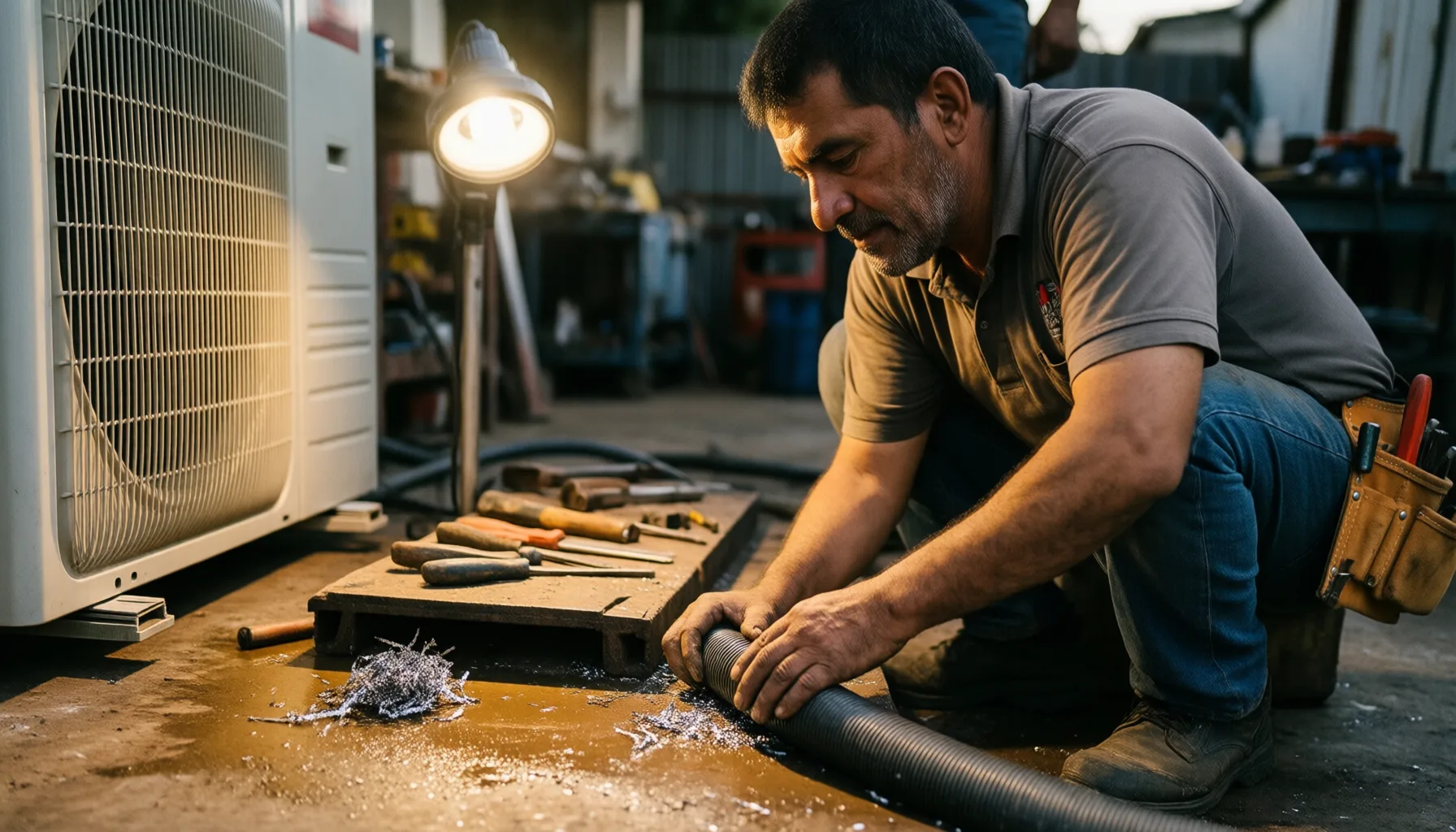
5. Clear Drain Lines
In a city known for its moisture and humidity, it's vital to regularly check your AC’s condensate drain line for clogs. A clogged line can lead to water damage and an increase in humidity levels in your home, creating potential mold issues.
Flushing the drain line with a solution of water and vinegar can help. This typically requires less than 30 minutes and can save you significant repair costs if performed regularly, particularly before the hurricane season.
6. Monitor Refrigerant Levels
Low refrigerant levels can severely impact your AC's performance. If your system is blowing warm air, it may be time to check your refrigerant. This is often indicative of a leak, which should be addressed by a professional to prevent larger issues.
While recharging refrigerant can cost between $100 to $250, failing to address the root cause of leaks could lead to extensive damage, making preventative measures crucial in Florida’s unique climate.
Miami Climate & Local Context
Miami’s tropical climate, characterized by high humidity and salt air, creates specific challenges for HVAC systems. Additionally, the prevalence of elevated homes requires suitable adaptations to ensure that such systems function effectively and maintain indoor air quality. Home builders often incorporate moisture barriers to safeguard against the threats posed by excessive dampness, but homeowners must also actively maintain their systems to extend their life span.
Local codes may govern AC installation and maintenance practices. Ensuring compliance not only helps in avoiding penalties but also guarantees that the systems are built to withstand the unique weather challenges in Miami. From flood-resistant systems to those designed to cope with high humidity, understanding local requirements is crucial.
When to Call a Professional
Being discerning about when to tackle HVAC issues yourself versus when to call a professional can save Miami homeowners not just money, but potential headaches. Generally, if problems are minor, some DIY troubleshooting can suffice, allowing you to solve issues without the added expense of professional services.
However, when faced with significant complications, particularly those that involve electrical systems, refrigerant, or structural integrity, consulting an HVAC expert is critical. Consider the following red flags:
- A noticeable increase in energy bills without a change in usage
- Repeated system failures or breakdowns in a short period
- Unusual smells coming from your HVAC unit
- Water pooling near your AC unit
- Inconsistent temperatures throughout your home
- Poor indoor air quality, including mold presence
Not only does acknowledging these signs lead to timely repairs but it also protects your long-term investments.
Frequently Asked Questions
What should I do if my AC isn't cooling properly?
Start by checking the thermostat settings and air filters, as these are common causes. If these don’t resolve the issue, it may be best to consult with professionals at PRO AC Repair Cooling Solutions.
How often should I have my HVAC system serviced?
In Miami, it’s advisable to schedule HVAC maintenance at least twice a year, ideally before peak summer and winter months, ensuring your system runs efficiently throughout the year.
What maintenance can I perform myself?
Homeowners can change air filters, clean vents, and clear drain lines on their own. Regular checks can help you catch other issues early and maintain home comfort.
How do I know if my HVAC needs to be replaced?
If repairs become more frequent, cooling efficiency decreases significantly, or if your unit is over a decade old, it might be time to consider replacement.
Does PRO AC Repair Cooling Solutions offer emergency services?
Yes, they provide emergency HVAC services that address urgent situations, especially critical during Miami's unexpected heatwaves and stormy weather.
Get Expert HVAC Service in Miami
Experiencing persistent HVAC issues or need a professional diagnosis? Don’t hesitate to reach out to the experts at PRO AC Repair Cooling Solutions. By ensuring your AC system is functioning efficiently, you can breathe easier in your Miami home.
Call (645) 238-2896 today for reliable service and support, tailored to meet the unique needs of Miami residents.